
What will you actually receive?
“Shared account,” “private account,” and “top-up” are different products. The cited G2G Grok account category displayed shared-account and private-account listings, while its UK top-up category displayed a separate SuperGrok top-up result.[2] [3] The category name alone does not explain how an individual offer will be activated, so read the listing itself.
| Listing type | What you receive | Recovery control | What you disclose | Evidence | Choice |
|---|---|---|---|---|---|
| Shared account | Credentials used by more than one person.[2] | The buyer does not have exclusive recovery control | Shared credentials are part of the arrangement | A marketplace order is not an official purchase record under your identity | Reject |
| Private account | A seller-supplied account or sign-in method.[2] | Unclear if the seller created or still controls the original identity | Seller credentials indicate an account transfer | The order cannot prove ownership of the original email or linked sign-in | Avoid |
| Top-up to your account | A benefit intended for an account; the category page does not explain the individual activation steps.[3] | Acceptable only if your existing recovery route stays unchanged | Nothing secret; reject requests for passwords, codes, cookies, or remote access | The order record and the entitlement shown under your own sign-in | Consider only with written, credential-free instructions |
| Official SuperGrok purchase | An upgrade through the official Grok purchase flow.[4] | Your existing sign-in and recovery route remain connected to the purchase | No marketplace seller is involved | The official purchase record and the plan shown on your account | Prefer when third-party delivery is unclear |
Who controls the sign-in behind the subscription?
Knowing a working password is not the same as controlling the original identity. xAI’s terms explain that signing in through another provider can involve credentials or access tokens from that provider.[1] Check the sign-in route named in the offer and make sure its recovery method already belongs to you.
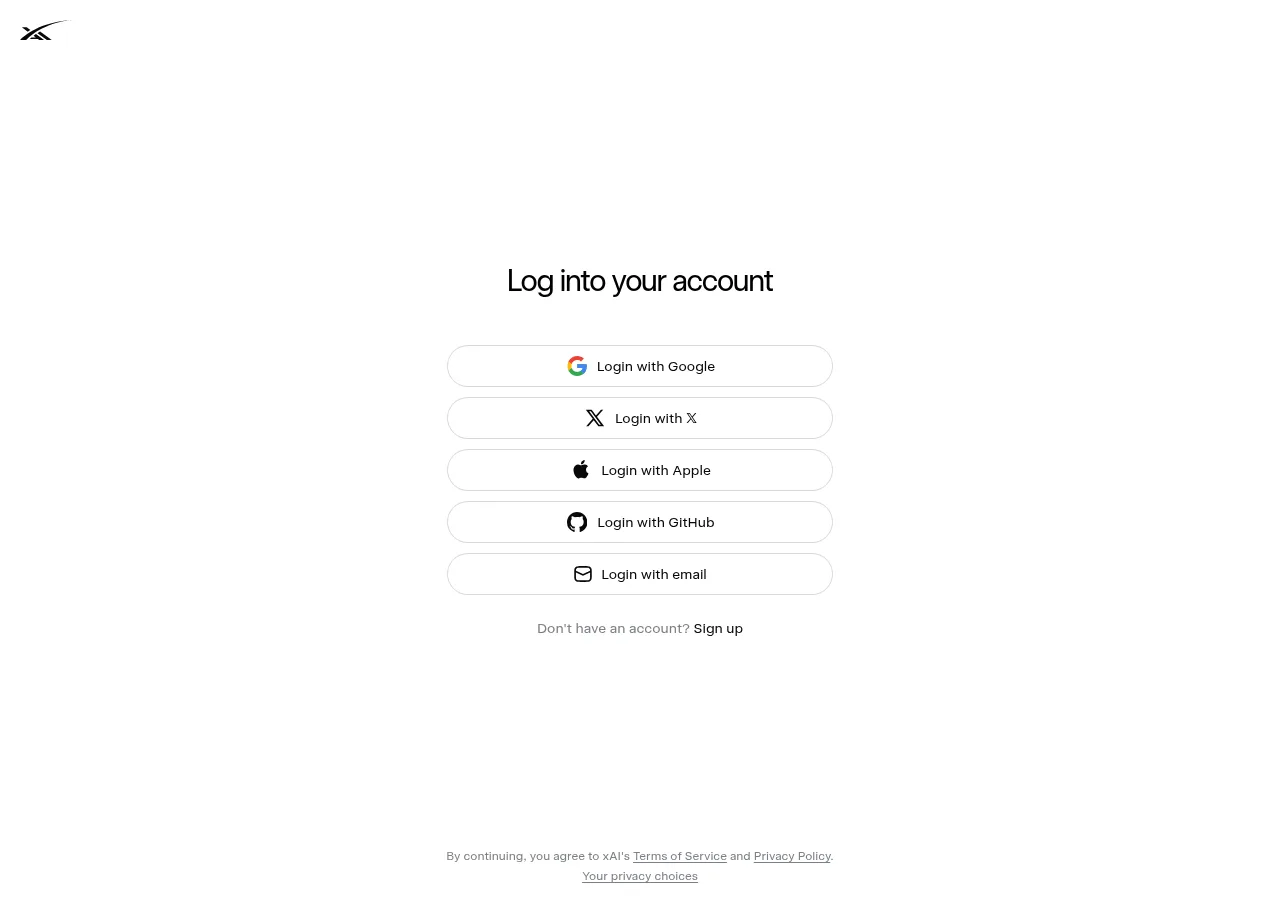
The xAI sign-in page lists Google, X, Apple, GitHub and email login routes. Source: xAI.[5]
| Sign-in route | What must already belong to you | Stop if |
|---|---|---|
| Apple | The Apple Account and its trusted recovery methods | The seller supplies the Apple identity, requests a verification code, or needs to remain signed in |
| The Google Account and its recovery email or phone | The seller supplies the Google identity, requests a code, or asks to control a session | |
| X | The X account and its recovery route | The seller owns the X identity or can still reset it |
| Email and password | The original email inbox and recovery settings | Only the password changes while the seller retains the email |
| Seller-supplied login | Nothing establishes your ownership of the original identity | Treat it as an account transfer, even if it is described as private |
What should you ask before paying?
- Will the benefit be added to a Grok account I created and can already recover?
- What exactly happens after payment?
- Will I need to disclose a password, sign-in code, recovery code, or browser session?
- What duration, region, and renewal arrangement does the individual offer state? A category label such as “Global” does not establish every account’s eligibility.[3]
- What will appear on my account when delivery is complete?
- What order record will identify the item and stated term?
- What happens if the entitlement does not appear under my sign-in?
What can go wrong with a third-party offer?
A seller-controlled login can be recovered or shared after delivery. Anyone who retains access may also be able to reach prompts, uploads, or generated content stored in that account. A top-up avoids this account-transfer problem only when it requires no credentials and appears under your own recoverable sign-in.
You could also end up paying twice if an unclear offer leads you to subscribe directly later. Before paying again, check the plan shown on your Grok account. Keep the listing, seller messages, payment record, and delivery screenshots together.
When is the official subscription the better choice?
Use the official purchase flow if the listing does not name the receiving account, explain activation, state its term, or leave recovery entirely with you. The official pricing page displayed SuperGrok as a direct paid upgrade in the cited source.[4] This connects the upgrade and purchase evidence to your existing sign-in without involving a marketplace seller.
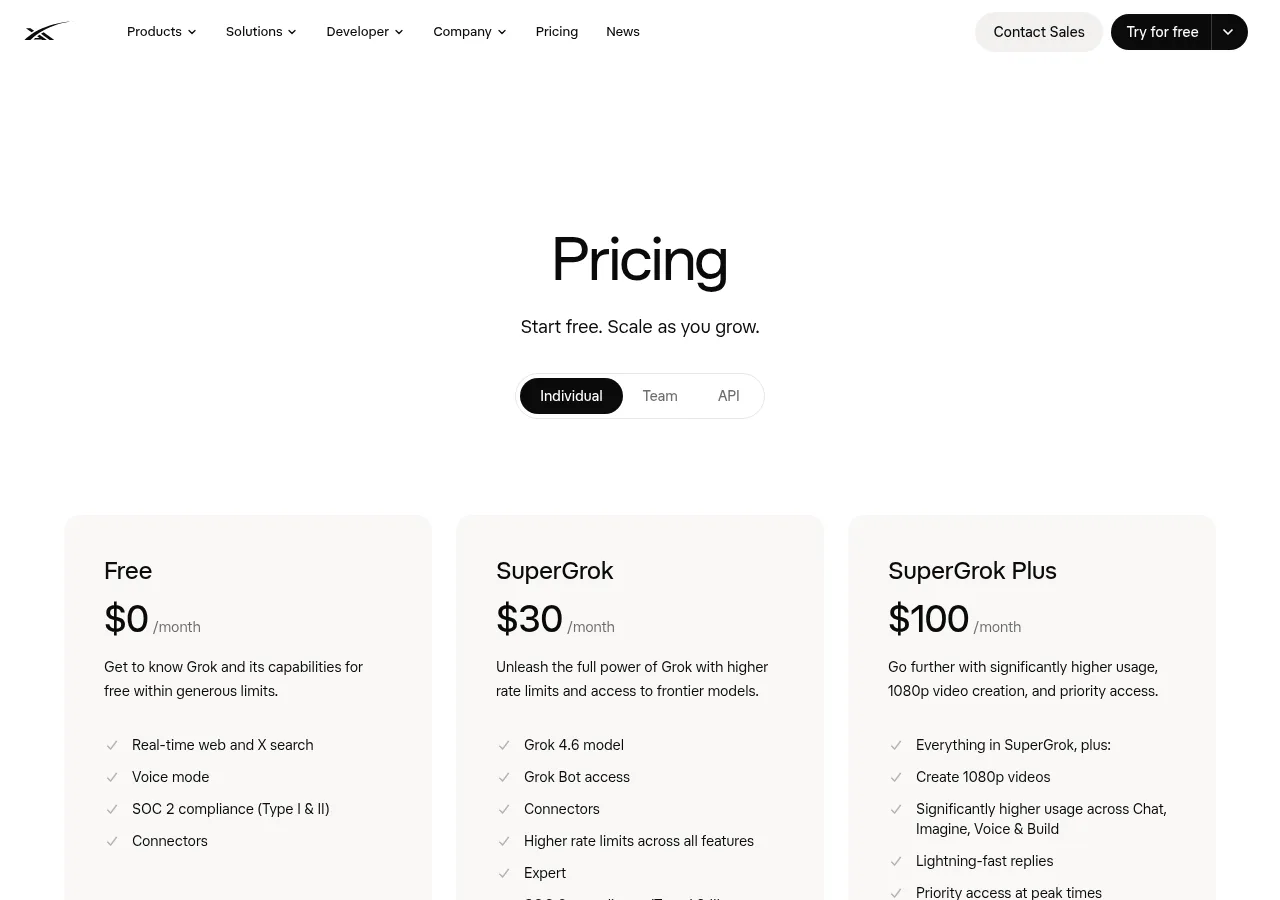
xAI Individual plan cards with the SuperGrok upgrade. Source: xAI.[6]
If you are still choosing a plan, compare the free and paid tiers before opening checkout.
If X features matter alongside Grok access, compare the purchase channels before choosing separate subscriptions.
When can a marketplace top-up make sense?
A marketplace top-up makes the most sense when it names your existing account as the destination, documents a credential-free activation method, states the term and region, and identifies the evidence you will receive. G2G presented account offers and top-ups as separate categories in the cited source.[2] [3] Compare the top-up category and keep only options that meet all of those conditions.
What if the seller asks for your password?
- Stop the order or activation conversation without sending the password or code.
- Save screenshots of the listing and the seller’s request.
- If you already disclosed a credential, change it through the official sign-in provider. Then review the recovery details and active sessions. xAI’s terms instruct users to secure an account after unauthorized use, including changing the password.[1]
- Do not add payment details, personal files, or sensitive prompts to a seller-supplied account.
- Use the marketplace dispute process if the requested delivery differs from the written listing.
If you paid for an upgrade but your own account still shows Free, match the receipt to the current login before buying again.